Entering your first photography competition can feel like standing at the edge of a high diving board. It is a mix of exhilarating anticipation and vulnerable exposure. For many photographers, submitting work to be judged by industry experts is the ultimate test of creative confidence. Yet, beyond the allure of cash prizes, gear sponsorships, and global exposure, participating in contests is one of the fastest ways to accelerate your growth as a visual storyteller. It forces you to look objectively at your portfolio, refine your editing process, and curate your work with absolute intent.
1. Decode the Brief and Understand the Rules
The single most common reason high-quality images are disqualified from prestigious contests has nothing to do with artistic merit. Instead, it comes down to a simple failure to read the rules. Every competition has a unique blueprint designed to streamline the judging process and maintain editorial integrity. Before you even open your editing catalog, you must thoroughly dissect the submission guidelines.
Technical Specifications and Category Alignment
Pay close tracking attention to file naming conventions, color space requirements (usually sRGB), and pixel dimensions. Some contests demand raw files or unedited JPEGs to verify authenticity, while others allow extensive digital manipulation. Furthermore, make sure your image fits the specific narrative of the category. A breathtaking, heavily post-processed landscape might be technically flawless, but if submitted to a documentary category that forbids cloning or composite elements, it will be discarded immediately. Read the fine print regarding copyright, usage rights, and entry fees to ensure you remain fully in control of your intellectual property.
2. The Art of Brutal Self-Curating
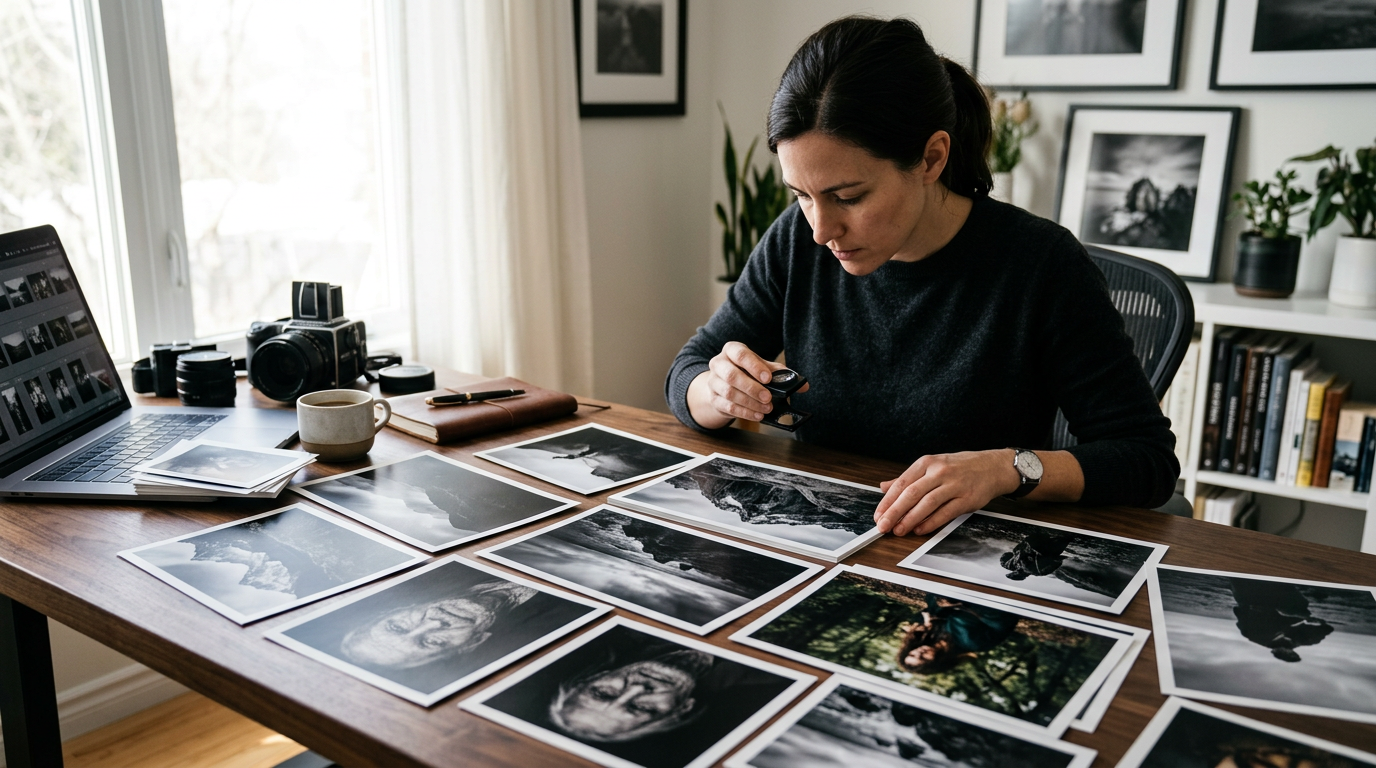
As photographers, we are naturally sentimental about our work. We remember the freezing four-hour hike, the mosquito bites, and the absolute thrill of the moment the light broke through the clouds. Unfortunately, the judges do not share your memories. They only see the final image on their screens. To improve your chances, you must learn to detach your emotional experience from the visual output.
"An excellent photograph is not merely a record of what happened; it is an emotional translation of a moment that speaks directly to a stranger's soul without needing a caption."
When selecting your submissions, look for images that possess a strong visual anchor, clean composition, and a compelling narrative. Ask yourself: Does this image stand alone without an explanatory paragraph? If you have three similar shots of a subject, do not submit all three in hopes that one lands. Be your own toughest critic, or better yet, ask a trusted peer to critique your shortlist. For deeper insights on evaluating your work objectively, exploring portfolio reviews on Digital Photography School can help you develop a critical eye.
3. What Judges Actually Look For
While art is inherently subjective, professional panel judges look for a specific trifecta when scoring submissions: technical execution, visual impact, and originality.
- Visual Impact: Does the image stop the judge in their tracks? In a sea of thousands of thumbnails, your photo needs to command attention within the first two seconds.
- Technical Mastery: Is the focus sharp where it needs to be? Is the noise controlled, and are the highlight and shadow details preserved? Technical flaws are magnified on high-resolution judging monitors.
- Storytelling and Emotion: Technical perfection without soul is forgettable. The winning images are almost always those that evoke empathy, curiosity, or wonder.
- Originality over Clichés: Avoid submitting carbon copies of famous trophy shots. If you are shooting a well-known location, find a unique perspective, wait for unusual weather, or focus on a hidden detail.
To understand the high bar set by industry professionals, analyzing the winning galleries featured on PetaPixel and studying the technical breakdowns on Fstoppers can provide invaluable benchmarks for your own submissions.
4. Perfecting Your Post-Processing and Presentation
The final polish of your image can make or break its competitive edge. Over-processing is a major pitfall for enthusiastic entrants. Heavy vignetting, aggressive HDR rendering, unnatural saturation, and halo artifacts around high-contrast edges will immediately signal amateur execution to seasoned judges. Keep your edits clean, intentional, and serving the story of the photo. Ensure your monitor is calibrated so that the contrast and color balance you see during editing are exactly what the judges see on their screens.
Take the Leap with Framez
Now that you have the blueprint to elevate your submissions, the best way to improve is through active participation. Testing your skills in curated photography competitions is a powerful way to gain exposure, receive constructive feedback, and connect with a passionate global community of creators.
Ready to showcase your best work to the world? Head over to Framez today, find a category that speaks to your creative style, and take the next step in your photographic journey.