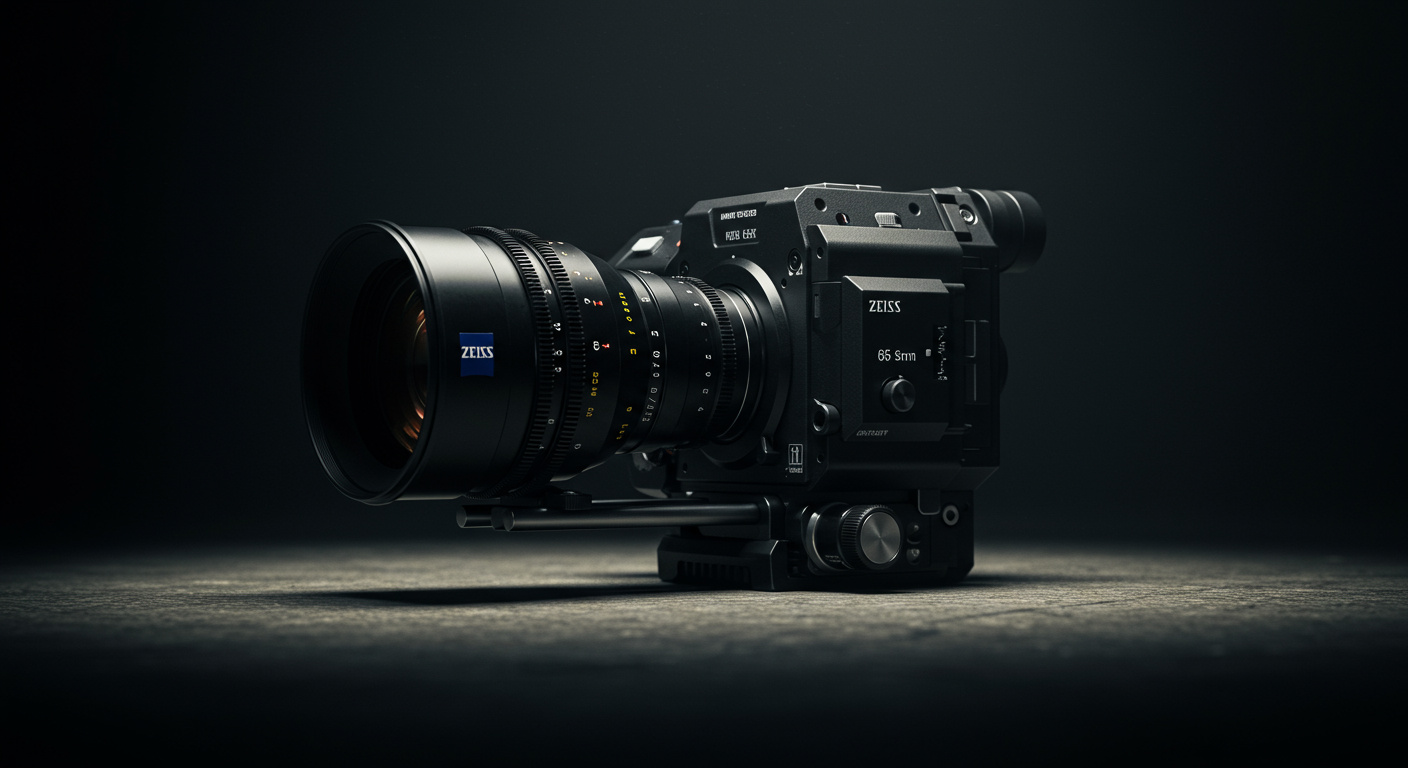
On May 27, 2026, the optical landscape shifted on its axis. ZEISS officially announced the Panoptes 65 prime lens series, a comprehensive set of ten large-format cinema primes designed specifically for 65mm sensors. This isn't just a minor update to an existing lineup; it is a declaration of a new era in visual storytelling. As digital sensors continue to grow beyond standard full-frame boundaries, the demand for optics that can resolve extreme detail while maintaining a painterly, three-dimensional rendering has never been higher. For director-photographers, cinematographers, and high-end visual artists, this release marks the official dawn of the 65mm giant-sensor revolution.
The Magic of 65mm: Why Sensor Size Matters
To understand the excitement surrounding the ZEISS Panoptes 65 series, we must first look at why the industry is moving toward giant sensors. While full-frame (35mm) remains the standard for most creators, medium-format and 65mm cinema formats offer a completely different optical perspective. A larger sensor allows for a longer focal length to achieve the same field of view as a smaller sensor. The result is a dramatic reduction in depth of field and a unique compression of space that draws the viewer into the frame with unparalleled intimacy.
This aesthetic, often referred to as the "large-format look," is characterized by incredibly smooth out-of-focus roll-off (bokeh) and a natural, lifelike rendering of human faces. By covering these massive image circles, the Panoptes 65 lenses allow filmmakers to capture sweeping landscapes and intimate portraits with zero optical compromise. To dive deeper into how sensor sizes impact your final image composition, check out the technical breakdowns on DPReview.
"The transition to 65mm isn't about chasing resolution; it is about chasing presence. It creates an immersive, three-dimensional window into a scene that makes the medium of capture completely vanish to the viewer."
Inside the ZEISS Panoptes 65 Prime Lens Series
ZEISS has engineered the Panoptes 65 series from the ground up to meet the rigorous demands of modern ultra-high-resolution sensors. Covering a comprehensive range of ten focal lengths, this set ensures that visual storytellers have access to consistent color rendering, contrast, and physical dimensions across the entire lineup. This consistency is crucial on high-end film sets where lens changes must happen in seconds without disrupting matte boxes or follow-focus motors.
Uncompromising Optical Engineering
Each lens in the Panoptes 65 family features advanced optical coatings designed to control stray light and flare while preserving natural micro-contrast. Unlike older vintage medium-format lenses adapted for cinema, these primes are engineered to resolve up to 8K and 12K resolutions from corner to corner. For detailed hands-on reviews of how these optics perform under extreme backlighting, visit Fstoppers.
How Giant Sensors Are Changing the Stills and Motion Worlds
The line between high-end digital photography and cinematography has officially blurred. Many of today's commercial photographers are utilizing cinema cameras for high-resolution print campaigns, while cinematographers are adopting photographic lighting techniques. The introduction of dedicated 65mm glass accelerates this convergence.
If you are a photographer looking to transition into this ultra-large-format world, here are key considerations to keep in mind:
- Precision Focus is Critical: With an incredibly thin depth of field, autofocus is rarely an option; manual pulling with high-resolution monitors is essential.
- Weight and Support: 65mm lenses and camera bodies require heavy-duty tripods and support rigs to eliminate micro-vibrations.
- Lighting Demands: Larger sensors often require more light or highly sensitive sensors to maintain deep depth of field when desired.
- Data Management: High-resolution large-format capture produces massive files that require robust post-production pipelines.
For practical field guides on mastering focus and exposure settings for large-format systems, explore the tutorials on Digital Photography School.
Bring Your Vision to the Next Level
Whether you are shooting on a standard mirrorless camera or dreaming of directing your first masterpiece on a 65mm digital cinema package, the core principles of composition, light, and emotion remain the same. The best way to hone your skills and test your creative limits is by sharing your work with a passionate community.
Are you ready to showcase your perspective? Submit your best high-fidelity images to the curated Framez competitions today. Join a global community of visual artists, get constructive feedback from industry experts, and push the boundaries of what your camera can do. Head over to Framez to register and start sharing your journey.


