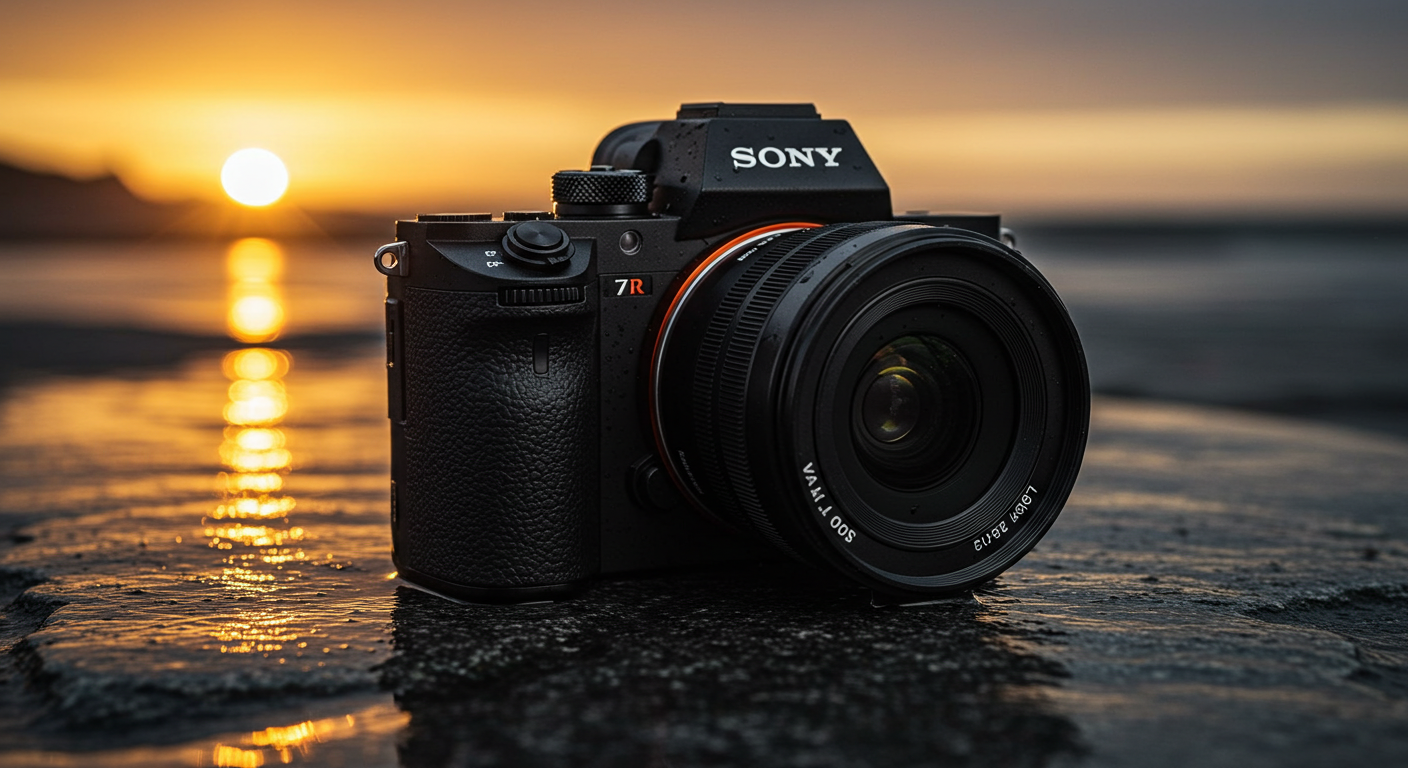
For years, photographers faced a compromise: choose a high-resolution camera for commercial, landscape, and portrait work, or opt for a lower-resolution, high-speed camera for sports, action, and wildlife. With the release of the Sony Alpha 7R VI (ILCE-7RM6), that compromise has officially been eliminated. Shipped in June 2026 for $4,499.99 USD, this groundbreaking camera merges an astonishing 66.8-megapixel resolution with the blistering speed of a fully stacked sensor architecture. By bridging the gap between extreme detail and flagship performance, Sony has created a versatile powerhouse that redefines what a single camera body can achieve.
The Stacked Sensor Revolution: Speed Without Compromise
At the heart of the Sony Alpha 7R VI is a newly developed 66.8-megapixel fully stacked Exmor RS CMOS sensor. This marks a historic evolution for the high-resolution "R" lineup, which historically relied on back-illuminated (BSI) sensors. By stacking the pixel structure over the high-speed processing circuitry, Sony has achieved a readout speed 5.6 times faster than the previous-generation Alpha 7R V.
This massive leap in data readout unlocks performance figures that were previously the exclusive domain of sports-centric flagship bodies. Photographers can now shoot blackout-free continuous bursts at up to 30 frames per second (fps) with full autofocus and auto-exposure (AF/AE) tracking using the electronic shutter. Whether you are capturing a high-fashion model mid-jump or a bird taking flight, you no longer have to sacrifice pixel count for speed.
"The integration of a fully stacked sensor into a 60-plus megapixel body is a watershed moment for the industry. It effectively renders the historical divide between high-speed and high-resolution camera systems obsolete."
Uncompromised Dynamic Range and Image Quality
Despite the incredible processing speeds, image quality remains pristine. Powered by the new BIONZ XR2 image processing engine, the Alpha 7R VI boasts an industry-leading 16 stops of dynamic range. This allows landscape and commercial photographers to preserve delicate highlight details in high-contrast scenes while retaining clean, shadow detail that can be recovered in post-production. For a deep dive into how raw files perform under extreme recovery, check out the sensor analysis on DPReview.
Next-Generation AI Autofocus and Stabilization
To keep up with the 30 fps shooting capabilities, Sony has outfitted the Alpha 7R VI with a dedicated AI processing unit that introduces Real-time Recognition AF+ (Plus). This system features advanced, skeletal-based human pose estimation. Instead of simply tracking eyes or faces, the camera understands the mechanics of the human body, maintaining lock-on autofocus even when a subject turns their back, is temporarily obscured, or moves erratically across the frame.
Complementing this advanced tracking is an upgraded in-body image stabilization (IBIS) system offering up to 8.5 stops of stabilization. This system works in tandem with the camera's gyro sensors to ensure pin-sharp hand-held shooting, even when pairing the high-resolution sensor with long focal lengths or slow shutter speeds.
Pro-Grade Ergonomics and Hybrid Capabilities
The Sony Alpha 7R VI is designed to be a workhorse in the field. It features a redesigned, deeper grip for comfortable handling during long shoots and illuminated rear buttons that make operation in low-light environments effortless. The electronic viewfinder (EVF) has also received a massive upgrade: a 9.44-million-dot OLED panel that is up to three times brighter than previous models and supports a wide 10-bit HDR DCI-P3 color gamut.
Actionable Tips for Maximizing the Sony Alpha 7R VI in the Field
- Leverage CFexpress Type A: To sustain the 30 fps burst rate without hitting a buffer bottleneck, utilize high-speed CFexpress Type A cards in the dual slots.
- Customize the AI Tracking Sensitivity: Adjust the Real-time Recognition AF+ settings based on your subject—whether it is wildlife, vehicles, or sports—to optimize stickiness.
- Utilize 32-Bit Float Audio: For hybrid video shoots, pair the camera with the optional XLR-A4 adapter to capture high-fidelity 32-bit float audio, eliminating the risk of clipped audio tracks.
- Optimize the EVF for Action: Switch the 9.44-million-dot EVF to its high-frame-rate mode when tracking fast subjects to make the most of the blackout-free display.
For hybrid creators, the video specifications are equally impressive. The camera records 10-bit 8K video at up to 30p (oversampled from a 10K capture area) and uncropped 4K video at up to 120p. Powering these features is the new, high-capacity NP-SA100 battery (2670 mAh), ensuring you can shoot longer on a single charge. You can read more about how these video features stack up against dedicated cinema lines on PetaPixel and explore extensive field tests on Fstoppers.
Conclusion: A New Era of Photographic Freedom
The Sony Alpha 7R VI represents a monumental shift in camera technology, proving that photographers no longer have to choose between extreme resolution and elite speed. It is a tool designed to push creative boundaries, whether you are shooting commercial campaigns, fast-paced sports, or fine-art landscapes.
Ready to showcase the stunning detail and dynamic action captured with your gear? Submit your best work to the global photography competitions on Framez, connect with an inspiring community of passionate visual artists, and elevate your photography journey today.


