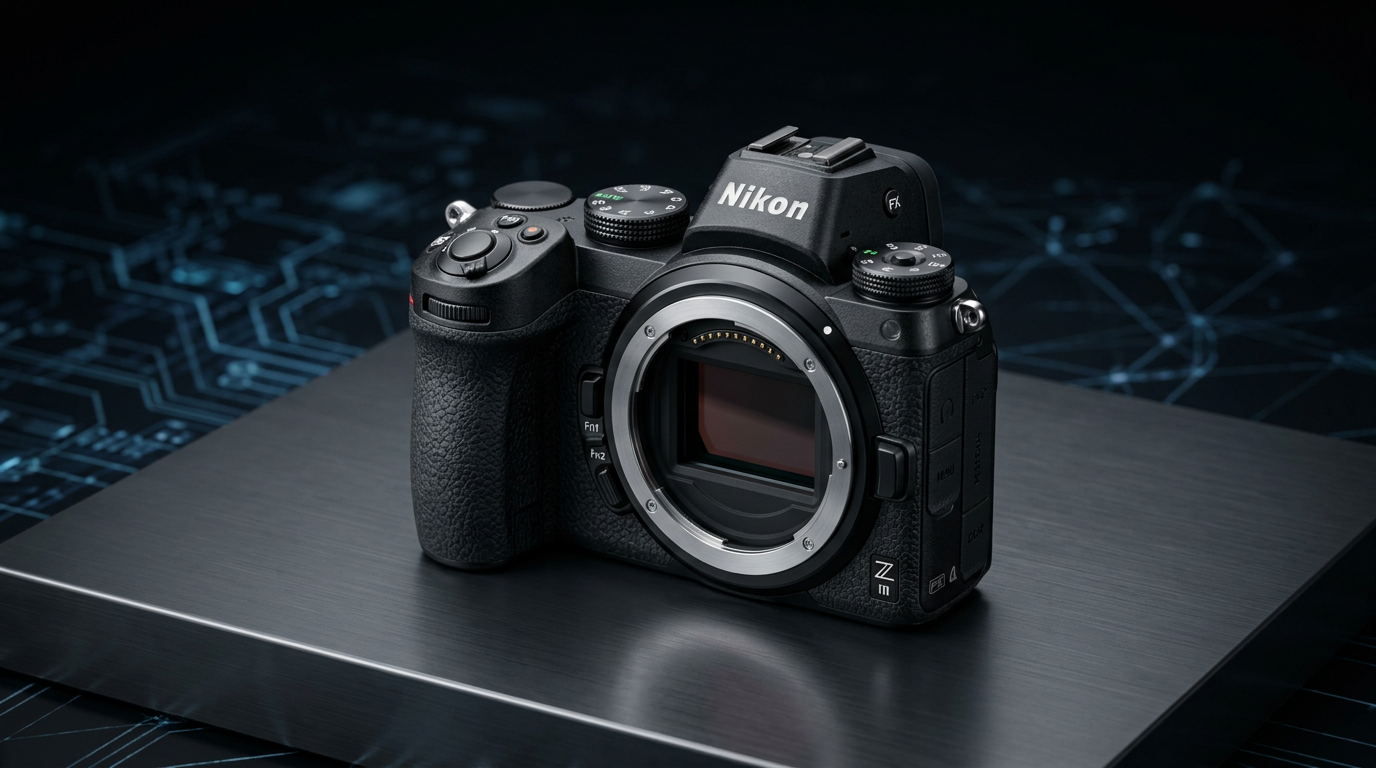
In an era where every modern imaging device is built to constantly broadcast its location, sync to the cloud, and handshake with smartphones, absolute data privacy has become a luxury. Recognizing a critical vulnerability in high-security environments, Nikon has quietly introduced a highly specialized and unusual variant of its popular mid-range mirrorless camera: the Nikon Z6 III (No Wireless Connectivity), also recognized under its official retail model number, the Nikon 2036.
Unlike standard consumer cameras that rely on firmware toggles or "airplane modes" to silence transmissions, this secure edition takes physical intervention to the next level. For photographers operating in environments where a single rogue radio frequency (RF) signal can compromise national security or corporate trade secrets, this camera represents a vital, hardware-level solution to modern digital vulnerabilities.
The Hardware-Level Air Gap: Why "Off" Isn't Enough
For the vast majority of creators, wireless sharing via Bluetooth and Wi-Fi is a convenient workflow staple. However, in military installations, defense contractor laboratories, and forensic law enforcement units, those same wireless antennas are classified as severe security liabilities. Software-disabled wireless modules can still be vulnerable to firmware exploits, accidental re-activation, or malicious remote access.
Nikon’s solution with the 2036 model is straightforward and absolute: the Wi-Fi and Bluetooth chips are physically removed from the motherboard at the factory. There are no internal antennas, no transmission circuits, and no physical pathways for RF signals to be emitted or received. It is a permanent, physical air gap.
"In high-security photography, true peace of mind doesn't come from a software menu checkbox. It comes from the physical absence of the silicon that transmits your data."
Because of this physical omission, several standard features are completely unavailable on this model:
- No connectivity to the Nikon SnapBridge smartphone application.
- No over-the-air firmware updates via mobile devices.
- No wireless image transfer or remote camera control.
- Complete absence of GPS metadata tagging via wireless syncing.
The Premium Price of Zero Connectivity
Intuitively, one might assume that removing components from a camera would lower its manufacturing cost. Yet, the Nikon Z6 III No Wireless model retails for $2,379.95—which is roughly $383 more than the standard consumer version of the Z6 III.
This premium price tag reflects the niche, low-volume production runs required for specialized hardware modifications, dedicated quality assurance testing to verify zero RF emissions, and the specialized distribution channels required to supply government and enterprise clients. For organizations operating inside Sensitive Compartmented Information Facilities (SCIFs), this price difference is a negligible operational cost compared to the security clearance hurdles of bringing a standard wireless-enabled camera into a secure zone.
Who is the Nikon 2036 For?
While the average enthusiast will find the standard model far more practical and affordable, the target audience for the Nikon 2036 is highly specific:
- Government and Defense Agencies: Documenting sensitive military hardware, aerospace research, and strategic installations.
- Forensic and Law Enforcement Teams: Preserving a strict, uncompromised chain of custody for crime scene evidence without any risk of cloud interception.
- Industrial Research & Development: Protecting corporate intellectual property and proprietary prototypes from competitive espionage.
Retaining the Power of the Z6 III Platform
Aside from the complete removal of wireless communication hardware, the Nikon 2036 retains all of the groundbreaking performance features that have made the standard Z6 III a favorite among hybrid creators. You can read more about how this sensor technology compares to other industry leaders on authoritative gear databases like DPReview.
At the heart of the camera is the same impressive 24.5-megapixel partially-stacked CMOS sensor, coupled with the high-speed EXPEED 7 processing engine. This combination allows for blisteringly fast autofocus tracking, superb low-light performance, and robust video capabilities including internal 6K N-RAW recording. Data is saved directly to secure, physical CFexpress Type B and SD UHS-II card slots, ensuring that your high-resolution files remain entirely under your physical control until the media is manually removed and processed.
For deep dives into lens pairings and sensor performance metrics of the Z series, visual artists often consult resource sites like Photography Life and Fstoppers to optimize their technical setups.
Security Best Practices for Physical Media Workflows
Operating an air-gapped camera is only the first step in maintaining a secure imaging workflow. If you are working in a sensitive environment, consider these essential practices to keep your data safe:
- Implement Write-Once Media: Where data integrity is paramount, use write-once memory cards to prevent accidental deletion or tampering.
- Establish a Strict Chain of Custody: Log every handoff of the physical memory cards from the moment they are removed from the Nikon 2036 until they are ingested into secure storage.
- Use Dedicated Offline Workstations: Ensure the computer used to import, edit, and archive your images is also completely disconnected from local networks and the internet.
- Format Cards Securely: Utilize multi-pass formatting protocols on your storage media to ensure that deleted sensitive images cannot be recovered by unauthorized recovery software.
Conclusion: A Specialized Tool for Absolute Control
The Nikon Z6 III (No Wireless Connectivity) "Model 2036" is a fascinating testament to the diverse needs of the modern imaging community. While the broader market demands seamless cloud integration and instant social sharing, a vital sector of the industry requires the exact opposite: absolute isolation and complete control over their physical data.
Whether you are shooting under strict security protocols or simply looking to sharpen your technical skills in a distraction-free environment, mastering your gear is the key to creating impactful imagery. If you want to put your skills to the test, share your work, and connect with a passionate community of visual storytellers, check out the latest Framez competitions. Join us at Framez today, submit your best work, and be inspired by creators from around the globe.


