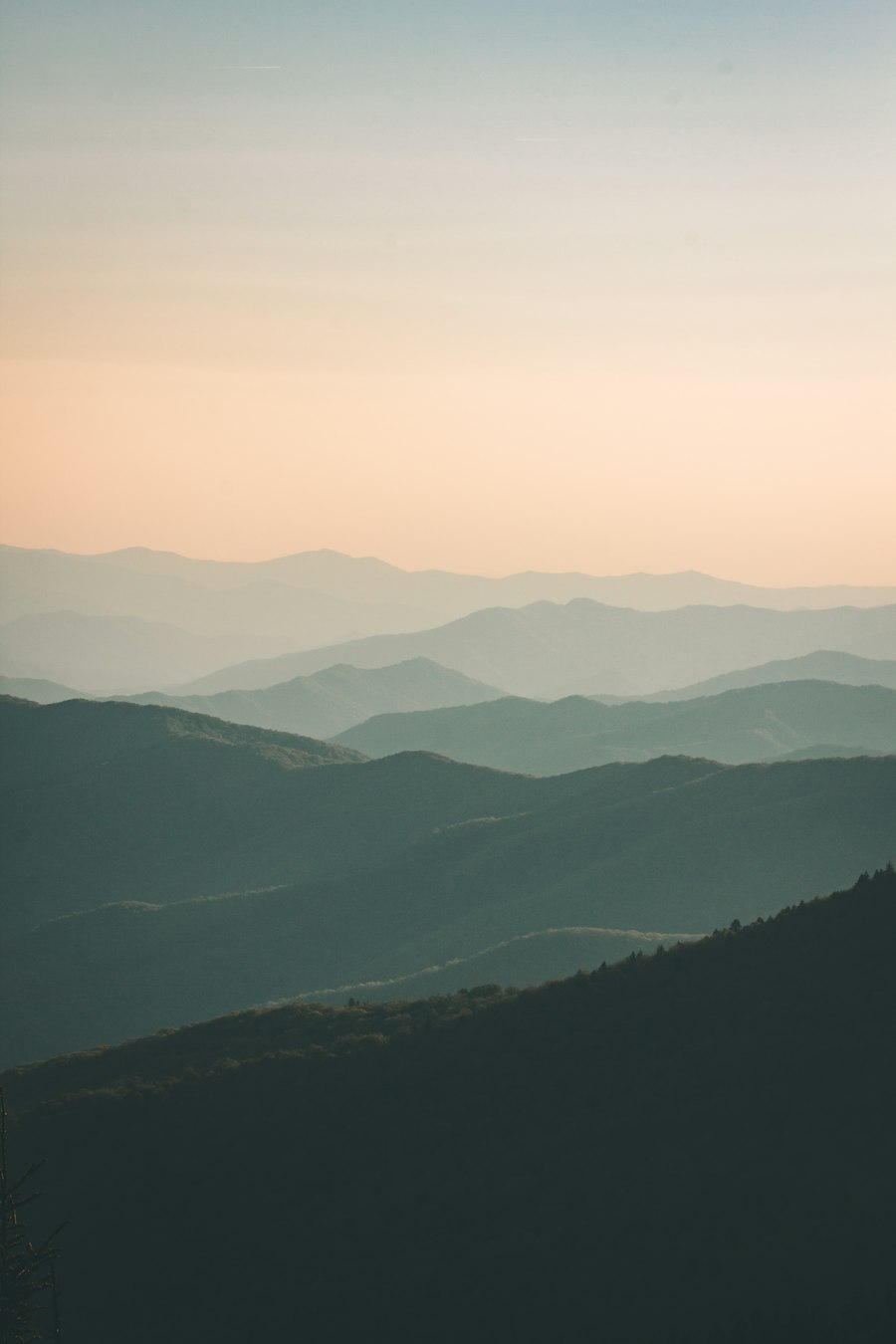
There's a reason why photographers obsess over the golden hour. That brief window of time after sunrise and before sunset paints the world in a warm, ethereal glow, transforming ordinary landscapes into extraordinary works of art. Mastering golden hour landscape photography can elevate your images from snapshots to stunning visual stories. Let's dive into how you can capture this magical light.
Understanding the Golden Hour
The golden hour isn't exactly an hour long; it's more of a fluctuating period dependent on your location, the time of year, and the weather conditions. Generally, it occurs roughly an hour after sunrise and an hour before sunset. During this time, the sun sits low on the horizon, casting a warm, diffused light that's much softer and more flattering than the harsh midday sun.
Why is Golden Hour Light So Special?
- Warm Colors: The low angle of the sun filters out blue light, leaving behind warmer tones like orange, red, and yellow.
- Soft Shadows: The diffused light creates long, soft shadows that add depth and dimension to your landscape.
- Reduced Contrast: The lower contrast makes it easier to capture details in both the highlights and shadows.
- Atmospheric Haze: The increased atmospheric haze can add a dreamy, ethereal quality to your photos.
Understanding these qualities is the first step in harnessing the power of golden hour.
Essential Gear for Golden Hour Landscapes
While you don't need the most expensive equipment, having the right gear can significantly improve your golden hour photography.
- Camera: Any DSLR or mirrorless camera with manual controls will work. Even advanced smartphones can produce impressive results.
- Lenses: A wide-angle lens (16-35mm) is ideal for capturing expansive landscapes, while a telephoto lens (70-200mm or longer) can isolate details and compress perspective.
- Tripod: A sturdy tripod is essential for sharp images, especially in low light conditions.
- Filters: A polarizing filter can reduce glare and enhance colors, while a graduated neutral density (GND) filter can balance the exposure between the bright sky and the darker foreground. Photographylife.com offers a great guide.
- Remote Shutter Release: Minimizes camera shake when using a tripod.
Composition Techniques for Stunning Results
Composition is crucial in landscape photography, especially during the golden hour. The beautiful light won't save a poorly composed image. Here are some key techniques to consider:
- Rule of Thirds: Divide your frame into nine equal parts and place key elements along the lines or at the intersections.
- Leading Lines: Use natural lines (roads, rivers, fences) to guide the viewer's eye through the scene.
- Foreground Interest: Include an interesting element in the foreground to add depth and scale.
- Balance: Create a sense of balance by distributing visual weight evenly throughout the frame.
- Symmetry: Look for symmetrical elements to create a sense of order and harmony.
"The best camera is the one that's with you." - Chase Jarvis
Shooting Techniques and Post-Processing
Once you have your gear and composition sorted, it's time to focus on shooting techniques and post-processing.
- Shoot in RAW: RAW files contain more information than JPEGs, giving you greater flexibility in post-processing.
- Use Manual Mode: Take full control of your aperture, shutter speed, and ISO to achieve the desired exposure.
- Experiment with Exposure: Don't be afraid to underexpose slightly to preserve detail in the highlights, especially during sunset. Digital Photography School offers many guides on this.
- Focus Carefully: Use autofocus or manual focus to ensure your subject is sharp.
- Embrace Bracketing: Capture multiple exposures of the same scene to create an HDR image or blend them manually in post-processing.
- Post-Processing: Use software like Adobe Lightroom or Capture One to adjust exposure, contrast, colors, and sharpness. PetaPixel also offers great tutorials.
The Golden Hour offers incredible opportunities for landscape photography. Take advantage of this magical light by planning your shots, using the right gear, and mastering composition and post-processing techniques. Remember to explore different locations, experiment with various settings, and most importantly, have fun!
Ready to showcase your golden hour masterpieces? Join Framez competitions and share your stunning landscape photos with our vibrant community. Let your creativity shine!


